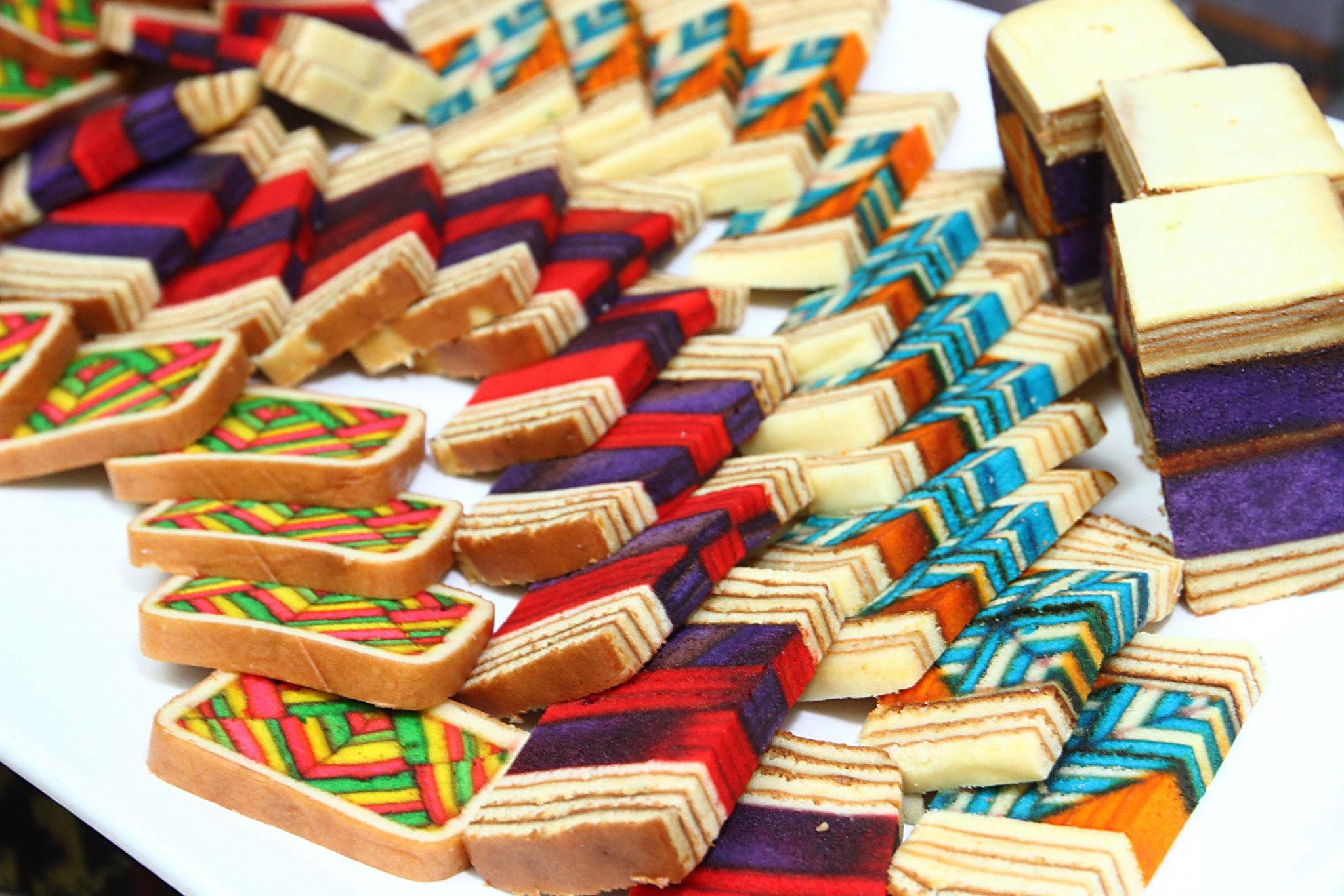
Sarawak kek lapis stands as one of the world’s most visually stunning layer cakes. Furthermore, bakers craft every slice with extraordinary patience and skill. This traditional Malaysian delicacy features vivid geometric patterns and rich buttery flavour. Additionally, it holds a protected geographical status in Malaysia. Explore its fascinating origins, techniques, and global cultural significance right here.
What Makes Sarawak Kek Lapis Unique
Sarawak kek lapis delivers a kaleidoscope of vibrant colours inside every slice. Furthermore, bakers build each cake from at least 12 individual thin layers. Each layer requires careful broiling before the next layer goes on. Additionally, bakers cut cooled cakes into strips and reassemble them using jam or condensed milk as adhesive. Therefore, complex geometric patterns emerge only when the baker slices the finished cake. In fact, Malaysia granted kek lapis Sarawak a protected geographical indication in 2010.
Two Main Style Categories
Sarawak kek lapis falls into two categories: plain layered cakes and patterned cakes. Furthermore, all versions must feature at least two distinct colours. Patterned styles include popular motifs like watermelon, fish scale, and batik-inspired designs.
Festive and Cultural Significance
Bakers traditionally prepare kek lapis for Eid, Christmas, Gawai, Lunar New Year, and Deepavali. Moreover, layers symbolise prosperity and family unity across cultures. Today, bakers also craft it year-round for weddings and birthdays.
The History Behind Sarawak Kek Lapis
Sarawak kek lapis traces its roots to Indonesia’s lapis legit, also ed kek lapis Betawi. Additionally, Dutch colonial administrators influenced this ancestor cake in old Batavia. Betawi people introduced the recipe to Sarawak during the 1970s and 1980s. However, Sarawakian bakers transformed it with bolder colours, new flavours, and intricate patterns. Consequently, a uniquely Sarawakian identity emerged from this rich cultural exchange. Explore more fascinating cake histories on our
Dutch Colonial Roots
Dutch administrators’ wives baked early spiced spit cakes in colonial Batavia. Similarly, these techniques travelled eastward through trade and migration. Sarawakian bakers then adopted and radically transformed these methods into their own art form.
A Protected Malaysian Heritage
Malaysia officially recognised kek lapis Sarawak as a protected geographical indication in 2010. Therefore, producers outside Sarawak may only label their product as Sarawak-style layer cake. This protection preserves authentic craftsmanship for future generations of bakers.
Explore more fascinating cake histories on our worldwide cake cultures page.’
How Bakers Craft Sarawak Kek Lapis Layer by Layer
Bakers mix butter, eggs, sugar, flour, condensed milk, and flavourings into a rich batter. Furthermore, they pour one thin layer into the pan and broil it for several minutes. Additionally, they repeat this process for every single layer. More detailed patterned cakes require bakers to slice cooled layers into strips. They then reassemble these strips with jam to form geometric motifs. Consequently, one complex kek lapis can take eight or more hours to complete.
Key Ingredients Every Baker Needs
Traditional Sarawak kek lapis relies on generous quantities of butter, egg yolks, sugar, and condensed milk. Additionally, bakers add flavourings such as pandan, chocolate, peppermint, or coffee. High-quality butter produces the signature rich, moist texture bakers prize most.
Baking Technique Tips
Bakers use top heat only when broiling each individual layer. Furthermore, they press each baked layer flat before adding the next. Finally, bakers wrap the finished cake tightly and refrigerate it for at least four hours to firm up layers.
Popular Sarawak Kek Lapis Patterns Around the World
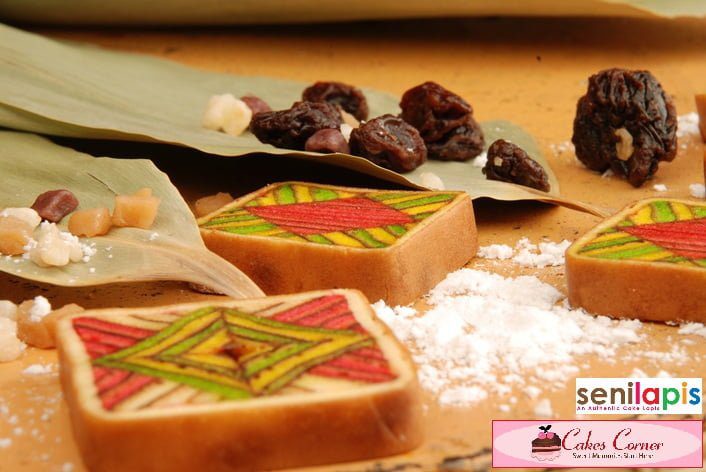
Sarawak kek lapis patterns range from simple horizontal stripes to elaborate geometric mosaics. For example, the Pelangi style stacks pastel rainbow layers in beautiful gradients. Meanwhile, batik-inspired patterns mirror traditional Malay textile art. In contrast, modern bakers experiment with 3D diamond, floral, and watermelon motifs. Moreover, bakers outside Sarawak adapt flavours to local tastes while honouring traditional techniques. Discover more global baking traditions on our
Classic Stripe and Pelangi Designs
Early kek lapis designs featured simple alternating dark and light horizontal stripes. Furthermore, the popular Pelangi rainbow style stacks pink, green, and yellow pastel layers. These foundational patterns remain beloved among home bakers worldwide.
Unique Patterns
Modern and Experimental Patterns
Contemporary bakers push kek lapis creativity into bold new territory. For example, watermelon and fish-scale motifs require advanced slicing and reassembly skills. Additionally, bakers now create chocolate-cheese, peppermint, and pandan flavour variations.
Discover more global baking traditions on our global cake trends page.
How to Store Sarawak Kek Lapis at Home
Proper storage keeps Sarawak kek lapis fresh and moist for longer. First, wrap the cake tightly in cling film to prevent it from drying out. Furthermore, store it in a cool dry place or refrigerate it for best results. However, avoid freezing the cake as this damages the delicate layered texture. In fact, traditional kek lapis contains no preservatives, so consume it within a few days. Find more practical baking tips on our
Room Temperature vs Refrigeration
Bakers recommend consuming kek lapis within two days at room temperature. Additionally, refrigeration extends freshness for up to five days. Always bring refrigerated slices to room temperature before serving for the best flavour.
Slicing and Serving Tips
Use a sharp clean knife to cut clean slices and reveal the patterns clearly. Furthermore, wiping the blade between cuts prevents colour smearing across layers. Serve kek lapis at room temperature to enjoy its full buttery richness.
Find more practical baking tips on our how-to page.
FAQ
What does kek lapis mean in English?
Kek lapis translates directly to layer cake in Bahasa Malaysia. Lapis means layers, and bakers stack dozens of thin sheets to create the finished cake.
How long does it take to bake Sarawak kek lapis?
Bakers spend eight or more hours crafting a complex patterned kek lapis. Each layer requires individual broiling, cooling, and careful reassembly before the cake is complete.
Can bakers outside Sarawak make authentic kek lapis?
Bakers outside Sarawak may produce Sarawak-style layer cake but cannot legally it kek lapis Sarawak. Malaysia’s 2010 geographical indication law protects the authentic Sarawak name.